

Buying your first property is a huge milestone. It’s not just about finding a house—it’s about making a long-term investment, securing a place you’ll call home, and managing your finances wisely. But if you’re a first-time buyer, the process can feel overwhelming. From budgeting to choosing the right location and understanding legal paperwork, there’s a lot to consider.
This detailed guide will give you actionable tips for buying your first property so you can make confident, informed decisions.
1. Set a Realistic Budget

Before you even start browsing property listings, you need to know what you can afford. Your budget isn’t just the property price—you must also factor in:
- Down payment: Usually 10–20% of the property price.
- Closing costs: Fees for legal services, registration, and taxes.
- Ongoing costs: Property taxes, maintenance, utility bills, and insurance.
- Emergency fund: Extra savings for unexpected repairs or emergencies.
Tip: A common guideline is that your mortgage payment should not exceed 30% of your monthly income. Use online mortgage calculators to estimate what you can comfortably afford.
2. Check and Improve Your Credit Score
Your credit score directly affects your ability to secure a mortgage and the interest rate you’ll receive. A higher credit score can save you thousands of dollars over the life of the loan.
- Check your credit report: Ensure there are no errors or outdated accounts.
- Pay off debts: Reduce credit card balances and outstanding loans.
- Avoid new loans: Don’t take on large loans or new credit lines before applying for a mortgage.
Tip: Aim for a credit score above 700 for the best mortgage rates, though many lenders work with scores as low as 620.
3. Decide on Your Priorities: Needs vs. Wants
Before looking at properties, make a clear list of your needs and wants:
Needs: Things you absolutely require, such as:
- Minimum number of bedrooms and bathrooms
- Proximity to work, schools, or public transport
- Safety and security of the neighborhood
Wants: Features that would be nice to have, like:
- Swimming pool or large backyard
- Modern kitchen or renovated interiors
- Extra storage space
Tip: Focusing on your needs helps prevent overspending or being distracted by luxurious features that aren’t essential.
4. Research Locations Carefully
Location is one of the most important factors in property buying. A great house in a poor location can affect your lifestyle and long-term resale value. Consider:
- Proximity to work, schools, and amenities
- Neighborhood safety and crime rates
- Public transport and road connectivity
- Future development plans (new highways, commercial areas, etc.)
Tip: Visit neighborhoods at different times of the day to see traffic patterns, noise levels, and overall vibe.
5. Understand the Property Market
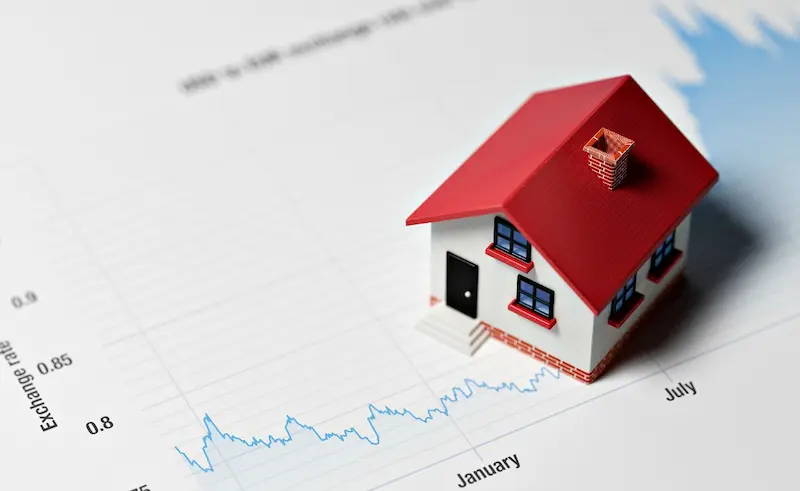
A little research goes a long way. Look at property prices, trends, and demand in the area you’re interested in. Ask yourself:
- Are property values rising or falling?
- How long do homes stay on the market?
- What are comparable homes selling for?
Tip: Knowledge of the market helps you negotiate effectively and avoid overpaying.
6. Get Pre-Approved for a Mortgage
A pre-approval letter from a bank shows sellers that you are a serious buyer. It also:
- Gives a clear idea of your budget
- Speeds up the buying process
- Helps in negotiating better deal
Tip: Shop around for different lenders and compare interest rates, processing fees, and loan terms.
You may also like to read this:
Home Buying Guide For First-Time Buyers – Step By Step
Easy Steps To Buy A New Home | First-Time Buyer Guide
Best Home Buying Guide 2026 – Step-By-Step Tips
Real Estate Buying Process Explained: Step-By-Step Guide
7. Hire a Professional Real Estate Agent
A good real estate agent can make the home-buying journey much easier. They help you:
- Find properties that match your budget and needs
- Negotiate prices and terms
- Navigate legal paperwork
Tip: Choose an agent experienced with first-time buyers and familiar with the local market.
8. Never Skip a Home Inspection
A professional home inspection is critical. Inspectors check for:
- Structural issues (foundation, walls, roof)
- Electrical, plumbing, and heating/cooling systems
- Pests or mold issues
Tip: Use the inspection report to negotiate repairs or a better price before closing.
9. Understand Legal and Documentation Requirements
Property purchase involves multiple legal documents:
- Sale agreement
- Title deed
- Property tax receipts
- Home loan documents
Tip: Hire a real estate lawyer to review documents and ensure there are no legal complications, such as unpaid dues or disputes.
10. Plan for the Future
When buying your first property, think long-term:
- Will this property suit your needs in 5–10 years?
- Is there room for expansion or renovation?
- How is the potential for resale or rental income?
Tip: Avoid buying the first house you see—consider the property as an investment as well as a home.
11. Be Patient and Take Your Time
Don’t rush the process. Visit multiple properties, compare options, and think carefully before making an offer. Making a hasty decision could lead to regrets or financial strain.
Tip: Create a checklist for each property you visit to keep track of pros and cons.
Conclusion
Buying your first property is a major life decision, but with careful planning and the right knowledge, it can be a smooth and rewarding experience. Keep these tips for buying your first property in mind—from budgeting and credit checks to inspections and legal paperwork—and you’ll be well on your way to owning a home that fits your lifestyle and long-term goals.
Remember, your first property is more than just a house—it’s the foundation of your future.
FAQs: Tips for Buying Your First Property
1. What is the first step in buying a property?
The first step is determining your budget. Know how much you can afford for the down payment, mortgage, and ongoing expenses. This helps you narrow down property options and prevents financial strain.
2. How much should I save for a down payment?
Typically, a down payment ranges from 10% to 20% of the property price. The exact amount depends on your lender and loan type. Saving more for a down payment can reduce your monthly mortgage and interest costs.
3. How important is my credit score?
Very important. A higher credit score can help you secure a mortgage with a lower interest rate, saving you thousands over time. Aim for a credit score above 700 if possible, but many lenders accept scores above 620.
4. Should I hire a real estate agent?
Yes. A professional agent can help you find properties that match your needs, negotiate prices, and guide you through paperwork. Look for an agent experienced with first-time buyers.
5. What is a home inspection, and why is it necessary?
A home inspection is conducted by a professional to check for structural issues, plumbing or electrical problems, pests, and other hidden defects. Skipping an inspection can lead to expensive repairs later.