
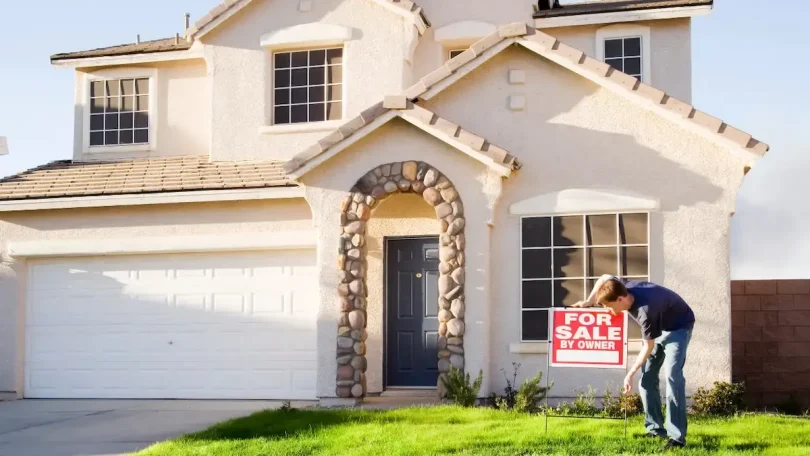

Selling your property can be exciting, but it can also feel overwhelming if you’re unsure where to start. That’s why having a real estate selling guide for owners is essential. This guide will take you through every stage of the selling process, from preparing your home to closing the deal, ensuring you get the best value for your property.
1. Determine Your Home’s Market Value
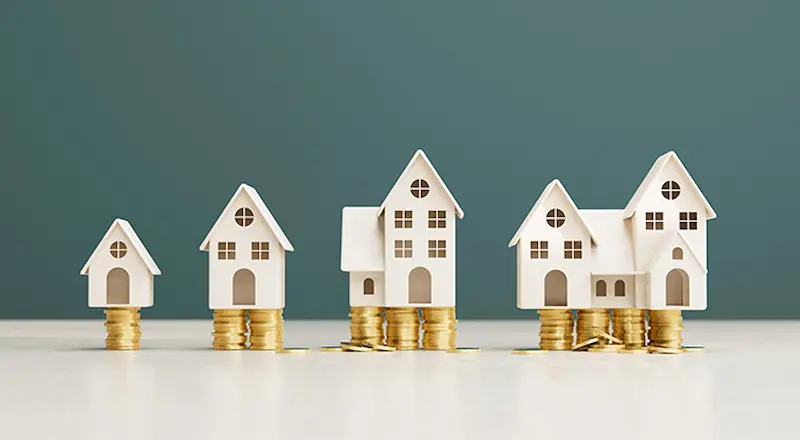
Before putting your home on the market, it’s crucial to know how much it’s worth. Setting the right price is one of the most important factors in selling quickly.
- Research Comparable Homes: Look at recently sold homes in your neighborhood. Pay attention to size, condition, age, and features.
- Consider Market Conditions: A buyer’s market might require a more competitive price, while a seller’s market could allow you to aim higher.
- Hire a Professional Appraiser: If you want a precise valuation, an appraiser can provide a detailed assessment that will strengthen your pricing strategy.
Remember, overpricing can scare away buyers, while underpricing could leave money on the table. A realistic price will generate interest and increase your chances of a fast sale.
2. Prepare Your Home for Sale
Presentation is key when selling property. A well-prepared home not only attracts more buyers but also often sells faster and at a higher price.
- Declutter and Depersonalize: Remove family photos, personal items, and excess furniture to let buyers imagine themselves living in your home.
- Deep Cleaning: Clean every corner, including carpets, windows, and kitchens. A spotless home gives the impression of care and maintenance.
- Repair and Upgrade: Fix leaks, cracks, and broken fixtures. Small improvements, like fresh paint or updated hardware, can make a big difference.
- Boost Curb Appeal: The exterior of your home creates the first impression. Maintain your lawn, trim shrubs, and consider adding potted plants or a fresh coat of paint to the front door.
- Professional Staging: Consider hiring a stager who can arrange furniture and décor to highlight your home’s best features. Staged homes often sell faster and for more money.
3. Decide How to Sell
When selling, you have a few options, each with its own advantages and challenges:
- Hire a Real Estate Agent: Agents have experience, marketing resources, and negotiation skills. They can manage showings, paperwork, and help you navigate offers.
- Sell Independently (For Sale By Owner – FSBO): This can save you commission fees, but you’ll need to handle marketing, legal paperwork, and negotiations yourself.
Consider your comfort level, timeline, and budget before choosing the best approach for your situation.
4. Market Your Property Effectively

Marketing is crucial for attracting serious buyers. Today’s buyers start their search online, so your property needs to shine both digitally and in person.
- High-Quality Photos and Videos: Professional photos can make your listing stand out. Include virtual tours to give buyers a complete view of your home.
- List on Multiple Platforms: Post your home on real estate websites, social media, and local listings to maximize exposure.
- Host Open Houses and Private Showings: Give potential buyers a chance to experience your home firsthand.
- Highlight Key Features: Emphasize recent renovations, spacious rooms, outdoor spaces, or unique aspects of your property.
A well-marketed home attracts more buyers, often resulting in multiple offers and a higher selling price.
5. Review Offers and Negotiate
Once buyers start submitting offers, the next step is careful evaluation and negotiation.
- Compare Offers: Don’t focus only on price. Consider contingencies, closing timelines, and financing conditions.
- Negotiate Wisely: Be prepared to counteroffer and communicate openly with buyers. Flexibility can make the difference between a sale and a missed opportunity.
- Seek Professional Assistance: A real estate agent or attorney can help you review contracts, handle negotiations, and ensure legal compliance.
Strong negotiation skills can increase your profit while keeping the process smooth.
You may also like to read this:
Real Estate Buying Process Explained: Step-By-Step Guide
11 Essential Tips For Buying Your First Property
Affordable House Buying Guide Online – Step-By-Step Tips
Home Selling Tips For Fast Results | Sell Your House Quickly
How To Sell Your House Quickly: Proven Methods For Success
6. Handle Inspections and Closing
After accepting an offer, buyers usually request inspections and appraisals.
- Home Inspection: Be proactive—fix minor issues before listing to avoid surprises.
- Appraisal: Lenders often require an appraisal to confirm your home’s value.
- Closing: Work with your attorney or agent to review documents, transfer ownership, and complete the sale. Ensure all legal requirements are met to avoid complications.
Being prepared for this stage ensures a seamless transition from listing to closing.
7. Extra Tips to Sell Faster
Here are additional tips from our real estate selling guide for owners to help you sell quickly:
- Price Competitively: Monitor local market trends to stay competitive.
- Flexible Showings: Accommodate buyers’ schedules to increase the chance of offers.
- Transparency: Disclose any known issues to build trust and prevent delays.
- Highlight Upgrades: Promote renovations or special features that add value.
These small adjustments can significantly increase buyer interest and shorten the selling timeline.
8. Common Mistakes to Avoid
Even experienced sellers make mistakes. Avoid these common pitfalls:
- Overpricing the Home: Unrealistic prices deter buyers.
- Neglecting Repairs: Small issues can raise concerns about larger problems.
- Poor Marketing: Limited exposure reduces your chances of finding the right buyer.
- Inflexibility in Negotiation: Being unwilling to compromise may slow down or even derail the sale.
Following a structured real estate selling guide for owners keeps you on track and avoids costly errors.
Conclusion
Selling a home is a major decision, but it doesn’t have to be stressful. Using this real estate selling guide for owners, you can understand your property’s value, prepare it effectively, market it smartly, negotiate confidently, and close successfully. With careful planning, attention to detail, and a proactive approach, you’ll increase your chances of a fast sale at the best possible price.
FAQs
1. How do I determine the right price for my property?
To set the right price, research recent sales of similar homes in your area, consider your property’s size, condition, and location, and consider hiring a professional appraiser. Pricing realistically attracts more buyers and increases your chances of a quick sale.
2. Should I sell my home myself or hire a real estate agent?
It depends on your comfort level and goals. Hiring an agent provides marketing expertise, negotiation support, and legal guidance, while selling independently (FSBO) can save you commission fees but requires more work.
3. How can I make my home more appealing to buyers?
Focus on cleanliness, repairs, and staging. Declutter, depersonalize, fix minor issues, and enhance curb appeal. Professional staging can also make your property more attractive to potential buyers.
4. What are the most effective ways to market my property?
Use a combination of online listings, high-quality photos and videos, social media promotion, open houses, and word-of-mouth. Highlight unique features and upgrades to make your listing stand out.
5. How long does it usually take to sell a home?
The timeline varies depending on location, market conditions, pricing, and marketing efforts. Homes priced competitively and properly prepared often sell faster than those that are overvalued or poorly presented.

