

If you’re someone who keeps an eye on real estate, whether for buying a home, investing, or simply staying informed, keeping up with property market news and updates is essential. The property market isn’t just about prices—it’s a mix of economic trends, government regulations, infrastructure development, and investor sentiment.
Today, we’ll walk through everything you need to know in 2025, both globally and in Pakistan, so you can make smarter decisions.
1. Global Property Market Trends
The international property market has been navigating a period of adjustment. Here’s what’s happening globally:
Interest Rates and Affordability
High interest rates remain one of the biggest factors affecting property demand worldwide. When borrowing costs rise, fewer people can afford mortgages, which slows down residential property demand. Conversely, some investors move toward commercial and industrial real estate for higher yields.
Shifts in Real Estate Demand
The way people work and shop has changed, and so has real estate demand:
- Office spaces: With hybrid and remote work becoming permanent for many companies, demand for traditional office spaces is softening. Modern, flexible office designs are now more attractive.
- Retail spaces: Physical retail faces challenges as e-commerce grows, so investors are cautious about shopping centers.
- Industrial & warehouse properties: These are booming due to e-commerce and logistics needs.
- Residential housing: Affordable housing and suburban developments are gaining attention. Smaller homes near infrastructure projects are increasingly in demand.
Market Resilience
Despite these challenges, reports from JLL and other global real estate analysts suggest that property markets remain resilient. Growth is slower than pre-pandemic highs, but long-term fundamentals like urbanization, infrastructure, and population growth continue to support property values.
High-Risk Cities
UBS’s Global Real Estate Bubble Index highlights cities like Miami, Tokyo, and Zurich as having potentially overvalued property markets, meaning investors should tread carefully there.
2. Pakistan Property Market News and Updates
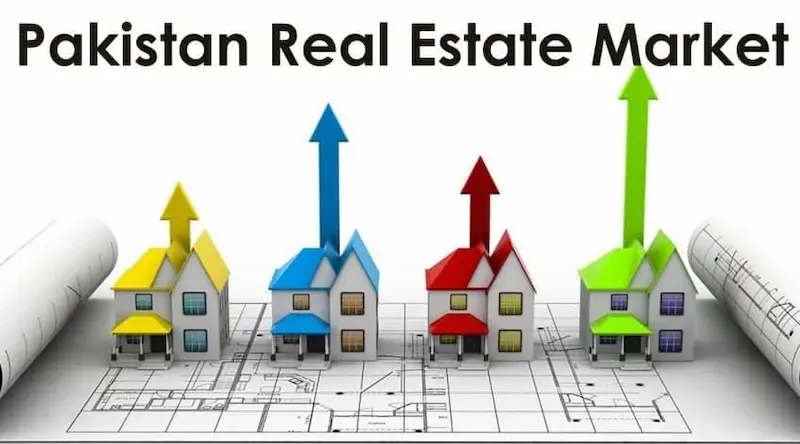
In Pakistan, the property market is showing some interesting trends in 2025:
Economic Contribution
The real estate sector contributes around 2% of Pakistan’s GDP, and its indirect impact on construction, banking, and retail makes it an essential part of the economy.
Regulatory Improvements
The government and real estate authorities are pushing for greater transparency and professionalism. This includes:
- Proper documentation of property transactions
- Regulated housing societies
- Accurate disclosure of plot and file rates
These measures make it easier for buyers and investors to trust the market and make informed decisions.
Hot Investment Areas
- Lahore: Plots along the Lahore Ring Road are increasingly in demand.
- Karachi: Investment in suburbs and well-connected residential projects is rising.
- Islamabad: Residential sectors near newly developed highways and business hubs are performing well.
File-Rate Movements
A key trend in Pakistan is the change in file rates, which are essentially the prices for buying property files in housing societies. Some areas have seen rapid growth, while others remain stable. Keeping track of these rates helps investors spot opportunities early.
3. Factors Driving the Market
Several factors influence property trends both globally and in Pakistan:
Interest Rates
Interest rates directly affect mortgage affordability. Rising rates can slow down demand for residential properties, while falling rates often spark buying activity.
Infrastructure Development
New roads, highways, and public transport projects can increase property values in surrounding areas. For example, housing societies near major infrastructure projects often see higher appreciation.
Investor Sentiment
Foreign and local investors play a significant role. In Pakistan, housing societies with good infrastructure, legal compliance, and growth potential attract more attention. Globally, investors are cautious about overvalued markets but still interested in emerging areas.
Economic Stability
Property markets mirror economic conditions. Inflation, employment rates, and political stability all affect investor confidence.
You may also like to read this:
Real Estate Selling Guide For Owners: Step-By-Step Tips
Best Time To Sell Your Property | Complete 2025 Guide
Proven Tips To Increase Home Selling Price And Attract Buyer
Mistakes To Avoid When Selling A House – Expert Tips
Latest Real Estate News And Trends You Need To Know In 2025
4. Risks to Watch
While opportunities exist, some risks should not be ignored:
- Overvaluation: Buying property in highly inflated areas can backfire if prices correct.
- Commercial Real Estate Stress: Office and retail spaces in some global cities are under pressure.
- Regulatory Changes: Changes in taxes or property laws can affect property values.
- Supply vs. Demand Imbalance: Excessive construction without adequate demand can depress prices.
5. Practical Advice for Buyers and Investors
Here’s what you should consider based on current property market news and updates:
For Buyers
- Prioritize affordability: Don’t overextend yourself based on hype.
- Check infrastructure: Properties near roads, metro lines, and highways usually appreciate faster.
- Research file rates: Especially in Pakistan, understanding plot and file price trends is crucial.
For Investors
- Look for value, not just hype: Emerging neighborhoods with growth potential offer better long-term returns.
- Diversify property types: Industrial and logistic properties can provide stability compared to volatile office or retail spaces.
- Monitor regulatory changes: Transparent documentation and legal compliance are key.
For Homeowners
- Stay informed: Market updates help you decide the right time to sell or renovate.
- Understand local trends: Certain cities and sectors perform better depending on demand and infrastructure development.
6. Outlook for 2025 and Beyond
- Global Outlook: Recovery is gradual. Some sectors like office and retail may take longer to stabilize, while industrial and residential markets remain promising.
- Pakistan Outlook: Long-term growth looks positive, especially in housing societies with infrastructure development. Short-term volatility may occur due to interest rates or economic shifts.
- Opportunities: Upcoming infrastructure projects, affordable housing, and suburban developments provide potential for high returns.
Final Thoughts
Keeping up with property market news and updates is crucial for anyone involved in real estate, whether as a buyer, investor, or homeowner. Understanding trends, interest rates, infrastructure projects, and regulatory changes can help you make informed decisions and minimize risks.
Think of the property market as a long-term game: patience, research, and smart choices often win over quick speculation. By staying informed with current news and updates, you can position yourself to make the most of opportunities in 2025 and beyond.
FAQs on Property Market News and Updates
1. What’s the current state of Pakistan’s property market?
It’s stabilizing in 2025, with growth in suburban plots, better transparency, and file rates rising in cities like Lahore, Karachi, and Islamabad.
2. How do interest rates affect property prices?
Higher rates make loans costly, reducing demand and slowing price growth. Lower rates encourage buying, pushing prices up.
3. Which property types are in demand globally?
Industrial and warehouse properties are growing. Residential suburbs are popular, while traditional office and retail spaces face lower demand.
4. Are any cities at risk of a property bubble?
Yes—UBS highlights cities like Miami, Tokyo, and Zurich as potentially overvalued.
5. What should I consider before investing?
Focus on location, legal compliance, affordability, market trends, and infrastructure developments.